


 AIWO 181
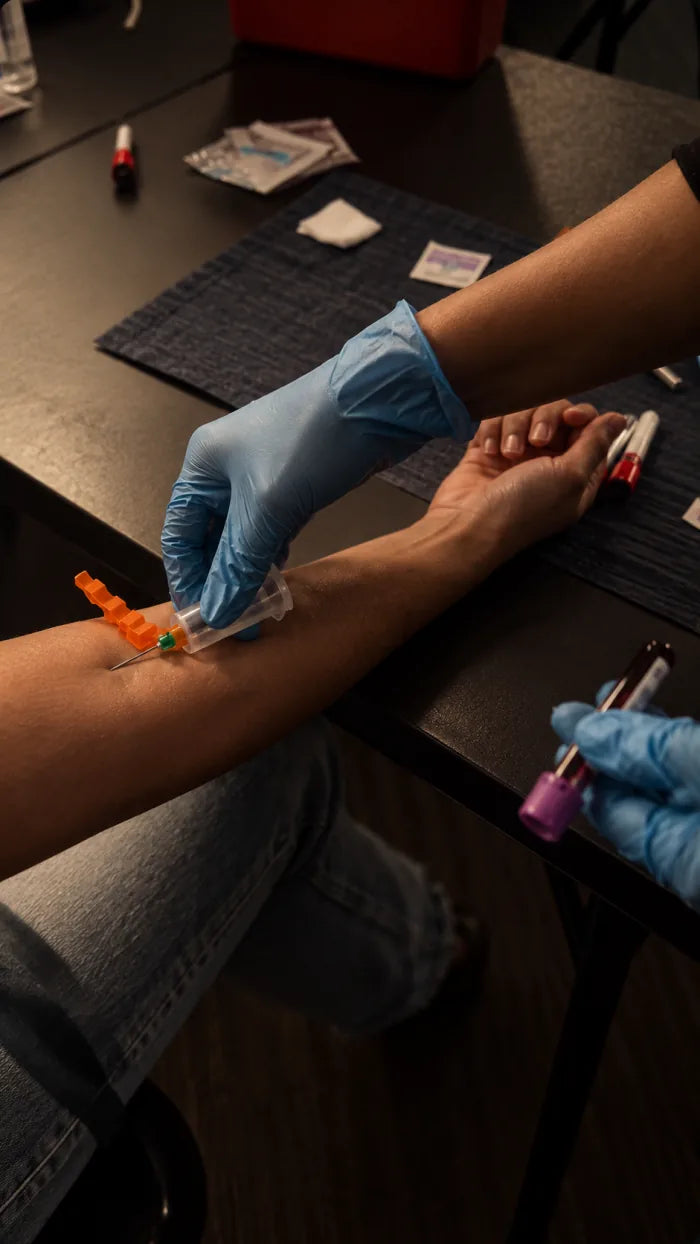
181-marker blood panel. Run on Day 1 and again on Day 90.
A 90-day clinical sleep programme
A three-day, five-star testing stay to find the exact cause of your disturbed sleep. Ninety days later, we repeat the tests to show the difference in numbers.
 181 markers
 1 night, EEG
 Scheduled reviews
 One Programme
Is this for me
Routines, supplements, apps, and mattresses—most solutions are chosen without ever measuring what happens inside your body at night.
There are five common causes of disturbed sleep, and four of them are entirely invisible from the outside.

Non-restorative sleep. The duration is fine; the architecture isn’t.
A Level 2 sleep study with EEG channels, which records how much deep and REM sleep you actually got, rather than estimating it.
Your body is tired and your nervous system isn’t. Sleep loss shifts the balance towards alert — which is why it feels like a switch flipping at the bedroom door.
A psychological assessment, plus DBAS-16 before you arrive. Then two sessions of cognitive behavioural therapy for insomnia during the stay.
Maintenance insomnia. The 3am wake is one of the most useful signals in sleep medicine, and one of the most frequently dismissed as stress.
Sleep fragmentation on the overnight study, read alongside the AIWO 181 blood panel to see whether something biochemical is driving it.
Being told it is menopause is not the same as being examined. 22.3% of Indian women aged 50 and over report sleep problems, and Indian women report sleep disorders at higher rates than men. Hormonal change is often part of it. It is very rarely all of it — and sleep-disordered breathing in women is significantly under-diagnosed.
We screen breathing, biochemistry, mood and sleep-related beliefs before assuming any of them. The overnight study, the 181-marker panel, the psychological assessment and PHQ-9 and GAD-7 all run before anyone offers you an explanation.
Worth ruling out first. Sleep apnoea affects around 13% of Indian men and 5% of women, and habitual snoring runs at 18–26% of adults. Most of it is never tested.
A Level 2 sleep apnoea study in your own hotel room, a pulmonary function test with a pulmonologist, and an ENT consultation where it’s needed.
It would. A standard check looks at your blood while you’re awake. It doesn’t look at your breathing while you’re asleep, your sleep stages, or your recovery capacity.
All three, in the first 48 hours — plus a DEXA scan, VO2 max and biological age assessment.
Consumer wearables estimate sleep stages from movement and heart rate. They can flag a problem; they can’t diagnose one.
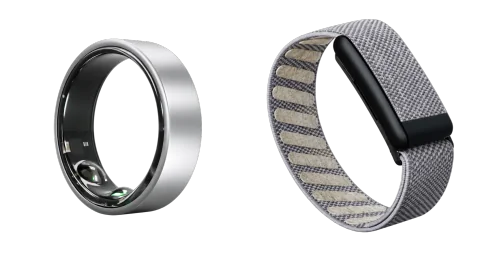
A Level 2 study records sleep stages from EEG, and your Lead Physician reads it against your bloodwork rather than in isolation. You still wear a ring — an Oura Ring is fitted on arrival to track the 90 days — but the diagnosis comes from the study, not from the ring.
Most tissue repair happens in deep sleep. One night of total sleep deprivation has been shown to cut muscle protein synthesis by around 18%. You may not be under-training. You may be under-repairing.
DEXA for body composition, VO2 max for cardiorespiratory fitness, and a physical assessment with posture screening.
You are almost certainly right to be worried. And you are almost certainly the reason they will eventually go. Sleep apnoea affects around 13% of Indian men, and most of it has never been tested. The person who notices the breathing is very rarely the person who has it.
Because the study runs while they sleep in a hotel room, not a hospital ward. No admission, no strangers, no wires running to a machine down the corridor. That single difference is what changes most people’s minds after years of refusing.
After years of bad nights, the beliefs you’ve formed about your own sleep start keeping you awake independently of whatever started it. There is a validated questionnaire for exactly this.
DBAS-16 before arrival, then psychological assessment and CBT-I on site. 77% of adults have already tried to fix their sleep — you are not unusual, and you are not the problem.
How it works
Sleep, breathing, bloodwork, body and mind — in the first 48 hours.
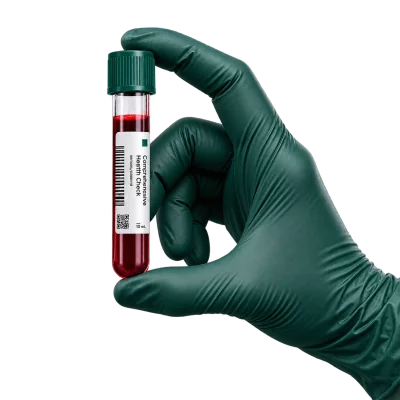
One physician reads every result together and tells you what’s actually going on.
Treatment starts on site, then continues at home on a written 30-day plan.

Four scheduled reviews with your physician and sleep coach. Booked, not offered.

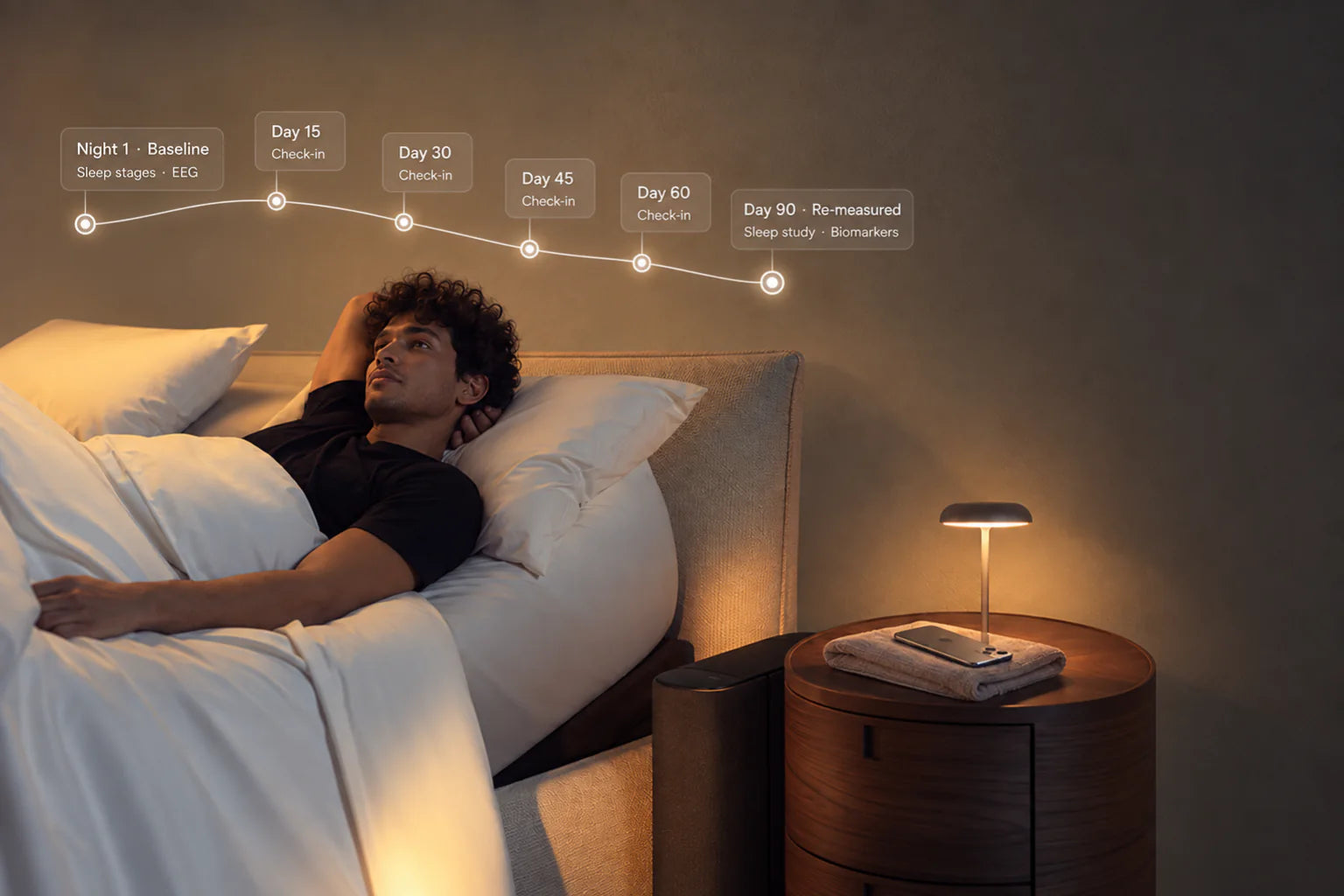
The same tests on Day 90, so you see what changed instead of guessing.
What’s included
A complete diagnostic protocol featuring tests, treatments, consultations, and take-home equipment.
 AIWO 181
181-marker blood panel. Run on Day 1 and again on Day 90.

 Wearable
Records from your first night. Loaned for the stay; we advise buying your own after.

 DEXA Scan
Body composition, measured rather than estimated.

 Level 2 sleep study
With EEG channels, in your own room. Records real sleep stages, not estimates.

 VO2 max test
Cardiorespiratory fitness and recovery capacity.

 Pulmonary function test
With a pulmonologist consultation.

 ENT consultation
Where clinically required, for upper-airway factors.

 Psychological assessment
With counselling, conducted on site.

 DBAS-16 · PHQ-9 · GAD-7
Three validated questionnaires, completed before you travel.

 Biological age
Your markers placed against chronological age.

 Vital check
Baseline physiological measurements on arrival.

 Physical assessment
Functional movement, reviewed by the physiotherapy team.

 Posture screening
Postural factors contributing to discomfort at night.

 Lead Physician ×2
One to set direction, one to hand over your findings and plan.

 CBT-I ×2 sessions
Cognitive behavioural therapy for insomnia, with a psychologist.

 Sleep coaching
Builds your 30-day protocol and leads two of the four follow-ups.

 10,000 lux light protocol
On waking, days two and three, to reset circadian timing.

 Breathing therapy
Protocol taught on site, continued at home with your kit.

 Diet counselling
Built from your own results, not a template.

 Stress coaching
Targeted at the arousal keeping you awake.

 Hyperbaric oxygen
Part of the recovery programme during the stay.

 Red light therapy ×2
Two sessions across the three days.

 Massage & foot reflexology
Scheduled around the diagnostic programme.

 Myofascial release
With the physiotherapy team.

 Cold adaptation
Structured exposure as part of recovery.

 IV therapy
Administered under clinical supervision.

 NSDR & Yoga Nidra
Non-sleep deep rest protocols you can repeat at home.

 PMR & tibialis raise
Progressive muscle relaxation and targeted exercise.

 Yoga session
One session during the stay.

 Physio & daily exercise
Led by a physiotherapist each day.
 Mashing therapy
With music, as part of the on-site schedule. Your coordinator explains it first.

 AIWO head pillow
Part of the AIWO pillow pair. Yours to keep
 AIWO leg pillow
Part of the AIWO pillow pair. Yours to keep

 One month of sleep supplements
Ashwagandha, melatonin, L-theanine, magnesium L-threonate and glycine.

 AIWO Sleep Tea — 30 days
One chamomile serving daily for a month.
 Breathing therapy kit
Home kit for the breathing protocol. Separate one-time purchase; cost confirmed at booking.

 LifeOS — one year
Full access, included by default. You can opt out if you would rather not use it.

 Your 30-day protocol
In writing, built from your own test results.

 Three days, two nights
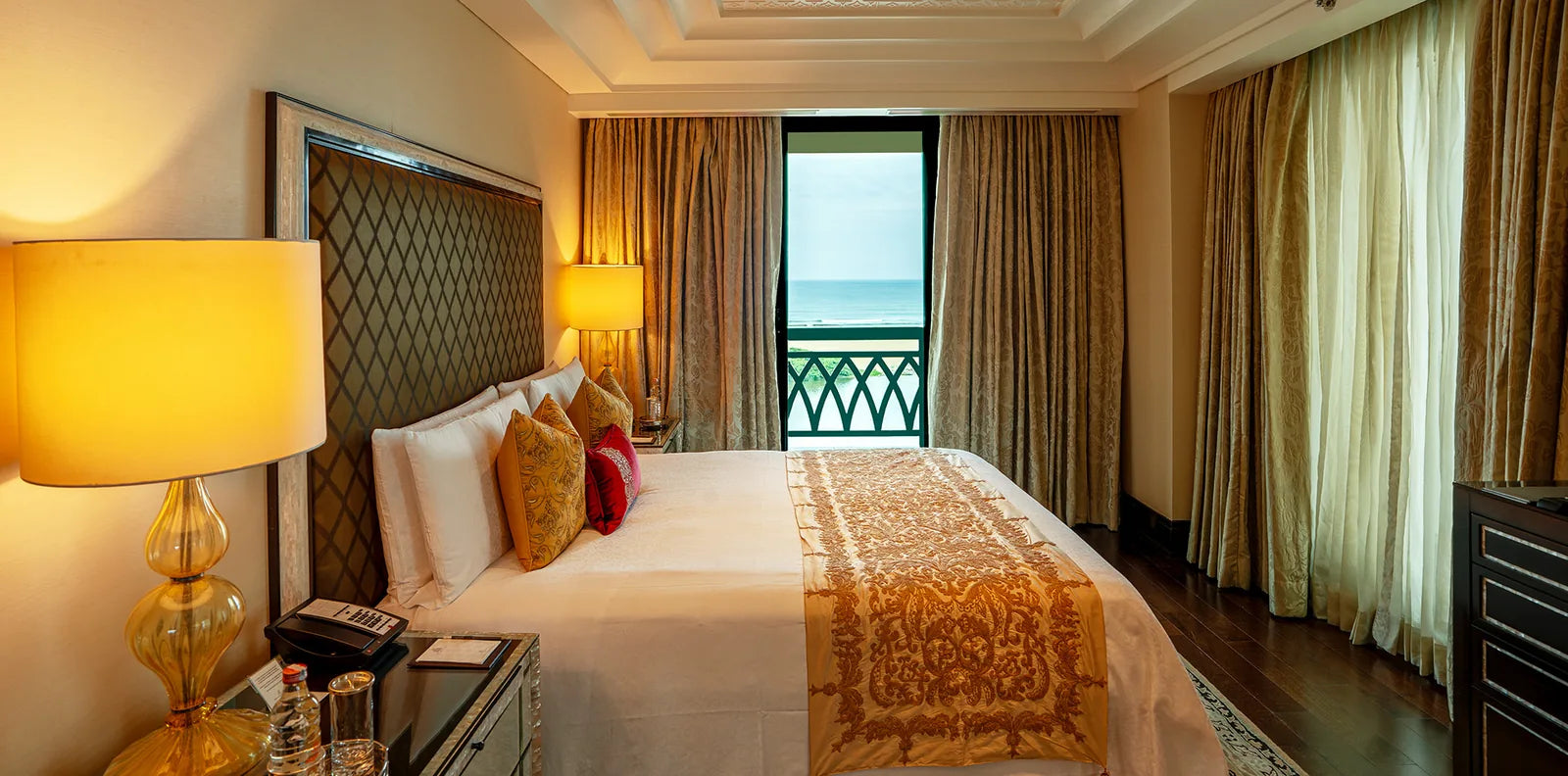
Five-star accommodation at the venue you choose.

 Breakfast included
Alongside sleep-supportive meals throughout the programme.

 Sleep-enhancing food
Menu built around the programme, not ordered off a card.

 Sauna access
Available throughout your stay.

 Airport pickup and drop
Both directions, arranged for you.

 Two venues
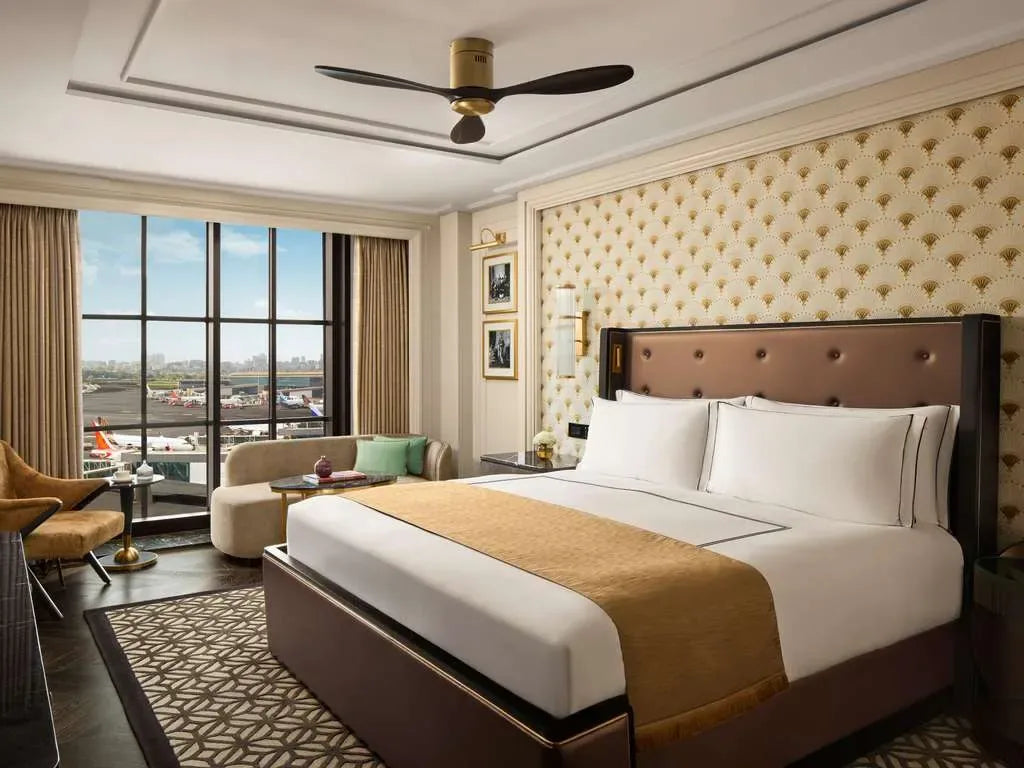
Fairmont Mumbai or The Leela Chennai, with an identical programme at both.
 Day 15 · sleep coach
Virtual. First check on the protocol in real conditions.
 Day 30 · physician
Virtual. Clinical review at the close of the first month.
 Day 45 · sleep coach
Virtual. Mid-programme behavioural review.
 Day 60 · physician
Virtual. Clinical review ahead of the final assessment.
 Day 90 · AIWO 100
Repeating the panel to compare with Day 1.
LifeOS throughout
Your data and protocol in one place for a full year.
Schedule
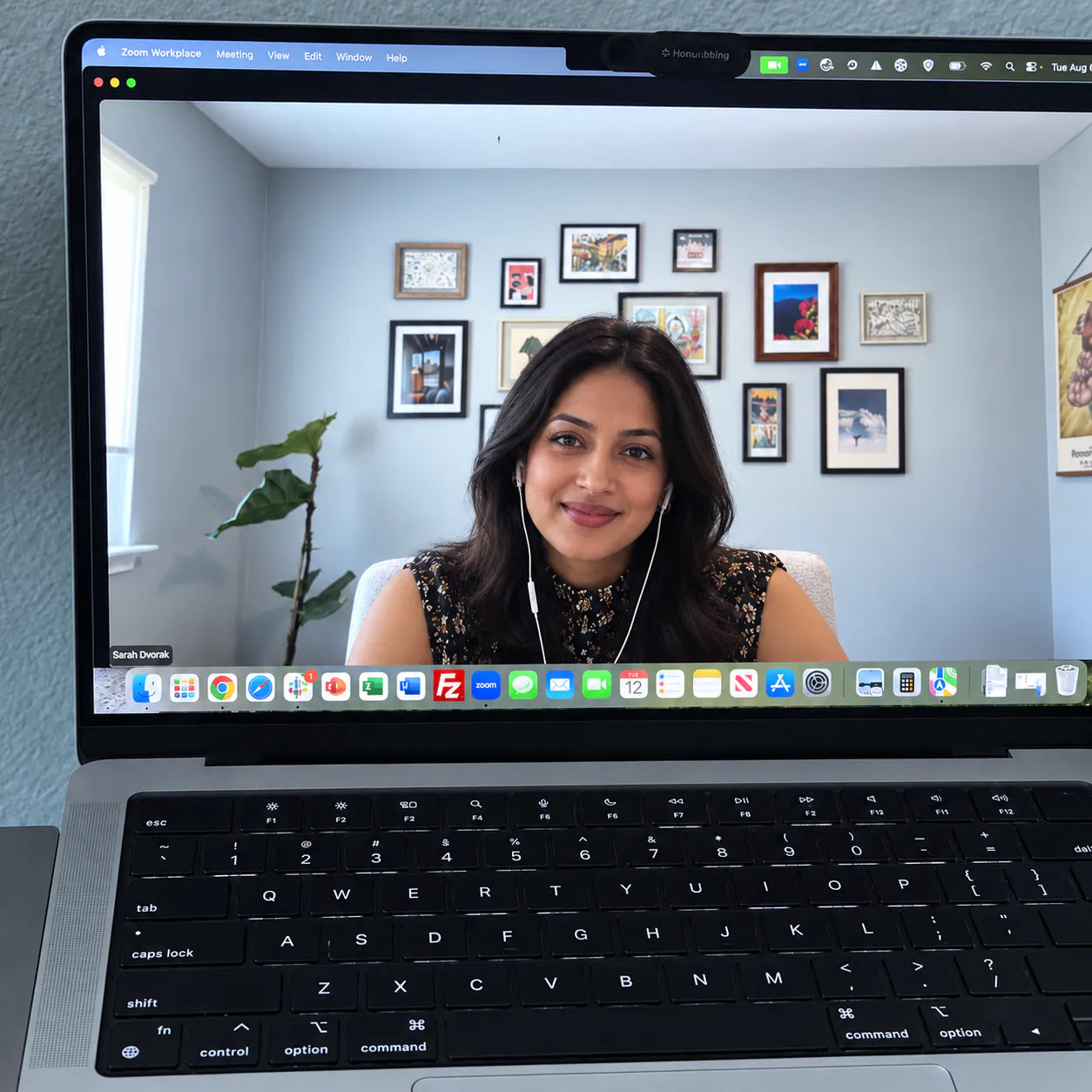
 BEFORE ARRIVAL
Three clinical questionnaires you complete at home, then a twenty-minute video call with the team. By the time you arrive, we already know what we are looking for.

 DAY 1
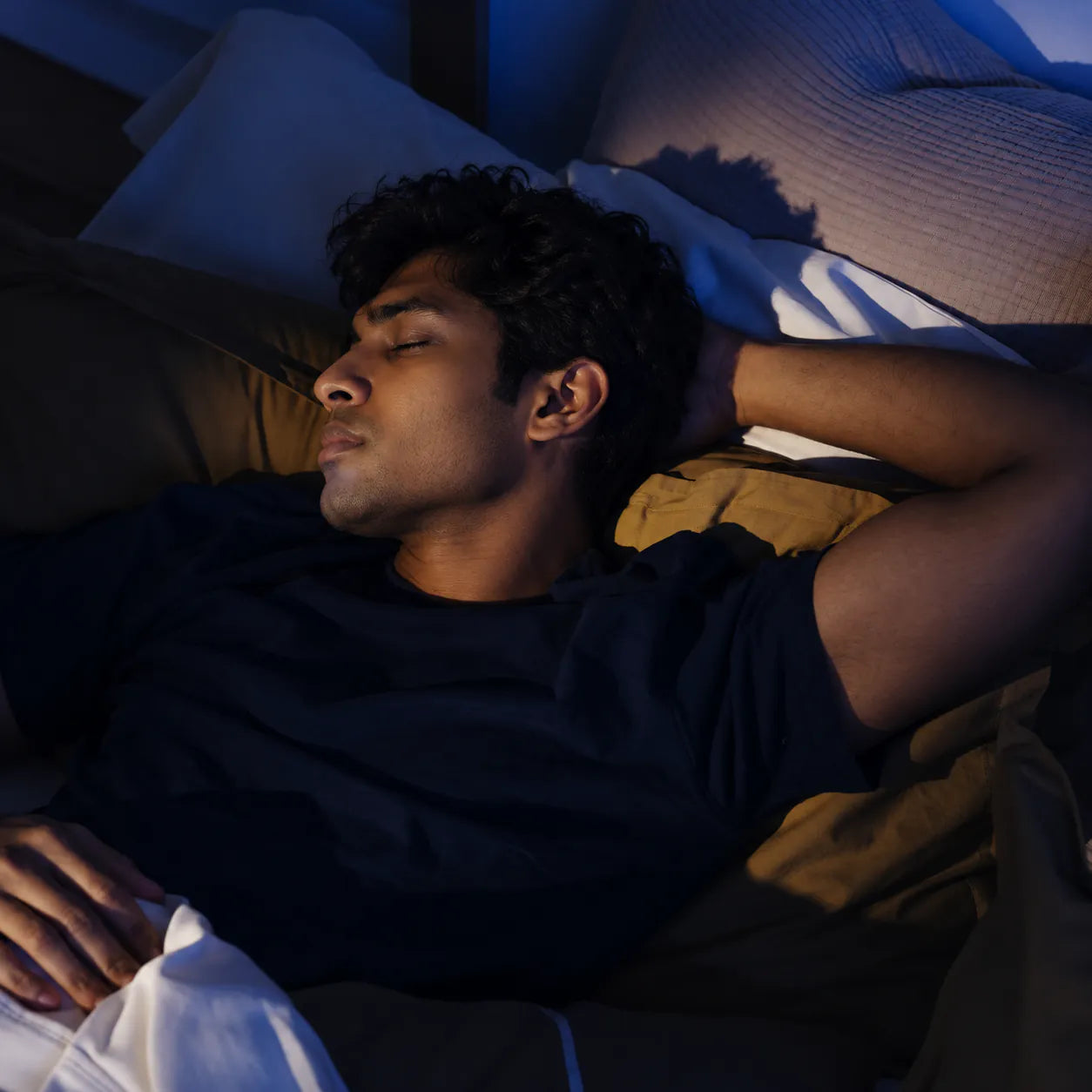
A car collects you from the airport or your home. You meet your Lead Physician and your Oura Ring is fitted. Then you go to bed as normal, and the overnight sleep study records your first night.
 DAY 2
Ten minutes under a 10,000 lux light before you are properly awake, to reset your body clock. Then bloodwork, the DEXA scan, VO2 max, lung function and the psychological assessment — spaced across the day rather than stacked. Your first CBT-I session sits in between. So do the sauna, a massage and the oxygen chamber.

 DAY 3
Your physician has everything in front of them at once — the sleep study, the 181 markers, the scans, the questionnaires — and tells you what is causing your disturbed sleep. For most people this is the first time anyone has answered that question. You leave with a 30-day plan written down.

 DAYS 15–60
Four video calls, already booked before you leave. Days 15 and 45 with your sleep coach, days 30 and 60 with your physician. They are part of the programme, not something you have to ask for.

 DAY 90
We run the same tests you had on Day 1. By this point you will already know whether things have changed — the panel puts numbers against it. Day 1 and Day 90, side by side.
Why this

 Sleepcation |
 Longevity clinic |
Wellness retreat
|
Hospital sleep lab
| |
|---|---|---|---|---|
| Sleep study with EEG A Level 2 sleep study with EEG channels, in your own room — it records real sleep stages, not estimates. | Included | Not typically included | Not typically included | Yes |
| Full blood panel | 181 markers | Included | Not typically included | Not typically included |
| Behavioural treatment (CBT-I) Cognitive behavioural therapy for insomnia, with a psychologist. | 2 sessions | Not typically included | Not typically included | Rarely |
| One physician reading all of it Your Lead Physician reads the sleep study, bloodwork, scans and questionnaires together. | Included | Partly | Not typically included | Not typically included |
| Supervised for 90 days | 4 reviews | Partly | Not typically included | Not typically included |
| Tested again at the end | Day 90 | Not typically included | Not typically included | Not typically included |
| You sleep somewhere you’d choose to | 5-star | Not typically included | Included | Not typically included |
Book Now
|
Venues
The programme runs at two venues — Fairmont Mumbai and The Leela Chennai — and the clinical content is identical at both.
3 days, 2 nights
3 days, 2 nights
Pricing
The clinical content is identical in both — all forty-three services, the full 90 days, both assessments. What changes is the room you sleep in for the two nights.
Deluxe room
3 days, 2 nights
₹1,99,000
Extended stay · 3 nights ₹2,30,000
Premium room
3 days, 2 nights
₹3,75,000
Extended stay · 3 nights ₹4,15,000
Prices are per room on double occupancy, with the Sleepcation programme for one guest. Exclusive of applicable taxes. Dining outlets shown are Fairmont Mumbai; the team confirms the equivalent at The Leela Chennai.
Questions
Have other questions? Get in touch with our Support Team
No. Three days is how we find the cause and start treating it. The 90 days after is where sleep actually changes. That’s what the plan, the supplements and the four reviews are for.
You can. If all you want is a diagnosis, you should. A sleep study gives you a diagnosis. It doesn’t give you bloodwork, a psychologist, a physician reading all of it together, a written plan, or anyone measuring you again in 90 days.
Three days is the whole in-person commitment. The four reviews are virtual. One long weekend, 90 days of supervision.
That’s part of why it exists. A pulmonologist consultation is included, an ENT consultation where it’s clinically required, and your Lead Physician manages whatever follows.
Not necessarily. Apnoea has a range of severities and a range of responses. CPAP is one of several. That is exactly why it needs measuring rather than guessing at. We find out what’s happening and your Lead Physician talks you through what follows. This isn’t a CPAP service; where ongoing management is needed, you’re referred for it.
Nobody can promise how your body will respond. Anyone who does is telling you something they can’t know. What we can promise is that you’ll know, because we run the same tests again on Day 90.
Yes. The three days are on site in Mumbai or Chennai. The four reviews on days 15, 30, 45 and 60 are video calls, so they work from anywhere. The Day 90 test is done in person — tell the team where you are based and they will confirm the arrangement before you book.
Your results, explained to you by your physician rather than emailed as a PDF you cannot read. A 30-day protocol written down and built from your own findings. Your supplements, sleep tea, pillows and breathing kit. Four reviews already in the calendar. And on Day 90, the same panel run again so your two sets of numbers sit side by side.
Speak to the team. The programme is currently designed for one person at a time, but we can talk through options for couples.


 181 markers
 5-star


